
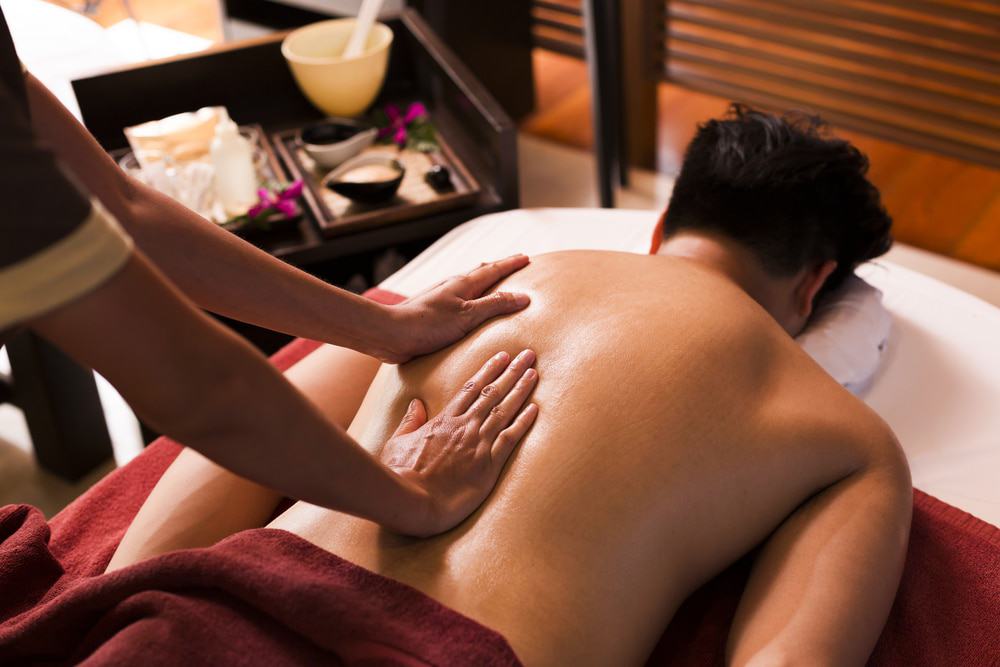
Some days, relaxation feels almost out of reach: the mind keeps racing, the shoulders stay braced and the feet ache from hours of standing or driving. Body and foot massage Coppell TX guests choose at High Stone Coppell is designed for these days. It brings together two complementary approaches in a single visit, working on the large muscles of the body while also addressing the feet, where a dense network of sensory nerve endings sits.
Here is how the two halves of a combined session support each other, what happens in the nervous system during a calming appointment and how to build a routine that fits your schedule.
The body is connected in ways that are easy to forget. Tension in the feet and calves can influence how you stand and walk, and that in turn affects the hips and lower back. Meanwhile, tension in the back and shoulders can lead to shallow breathing and a sense of restlessness. Treating only one region can leave the other quietly pulling things out of balance.
Work on the back, shoulders and hips addresses the large postural muscles that support daily activity. Long strokes and focused pressure help release held tension, improve the sense of space around the ribcage and encourage deeper breathing. Many people notice they stand a little taller afterward.
Foot work uses structured pressure on defined zones of the sole, along with attention to the arch, heel, toes and ankle. It supports circulation in the lower limbs and leaves many people feeling grounded and settled. The sensation is often described as the opposite of racing thoughts: slow, steady and calming.
Think of the body as a system in which the top and bottom can reinforce each other’s relaxation. When the back releases and the feet are soothed, the whole experience becomes more integrated. Guests often describe a feeling of being “taken care of from head to toe,” which is difficult to achieve through a single area of focus.
Much of modern stress is not physical danger but a constant stream of notifications, deadlines and responsibilities. The body responds with the same alert state it would use for a real threat.
The autonomic nervous system has two broad modes. The sympathetic mode prepares you for action: heart rate rises, breathing quickens and muscles tighten. The parasympathetic mode supports rest and recovery: breathing slows, digestion works more smoothly and muscles can soften. Chronic stress keeps many people leaning toward the first mode, even when they are trying to relax.
Slow, rhythmic, predictable touch signals safety to the nervous system. Broad strokes across the back, followed by steady pressure on the feet, offer two kinds of calming input in the same visit. Many clients report slower breathing, a heavier, warmer feeling in the limbs and a quieter mind afterward. Researchers continue to study these responses, and individual experiences vary, but the sense of settling is one of the most commonly described benefits of structured bodywork.
Dim lighting, a comfortable temperature and unhurried pacing all contribute to the shift. A calm environment makes it easier for the body to trust that it can let go. That is one reason the setting of your session matters nearly as much as the technique.
Lifestyle in the Dallas-Fort Worth area can be fast-moving, and recovery often takes a back seat. A combined session acts as a deliberate pause. It is especially appealing to people who feel mentally wired, physically tired and short on time to book several separate visits.
At High Stone Coppell, the therapists begin by asking how you feel and what you want from the visit. If your lower legs feel heavy, they may spend more attention there. If your shoulders hold most of your stress, the torso work may take the lead. You can read more about how these sessions are organized on the body and foot massage near Coppell page.
To round out your experience, explore the broader health spa offerings, which are designed around restoration and calm. If you tend to carry tension in the head and temples, adding a scalp massage can deepen the feeling of release.
It depends on your goals. If you want to address both muscular tension and the calming, grounding effects of reflexology, the combination offers a well-rounded experience. If you have one specific problem area, a focused session may be enough. Your therapist can help you decide.
Many people feel deeply relaxed or sleepy, which is a sign the nervous system has settled. It is wise to plan a calm evening and avoid demanding activities right after. If you need to drive, take a moment to feel fully alert before you leave.
Yes. You can ask your therapist to spend more time on the areas that need attention, such as the lower back, calves or shoulders, and less time on areas you prefer to avoid. Your comfort guides the session.
Wear comfortable clothing, drink water earlier in the day and avoid a heavy meal just before. Arrive a little early to settle in, and tell your therapist about any areas of concern or sensitivity.